
Off-Grid Solar Systems for Indian Homes: Residential Solar Systems Explained
Solar energy is transforming how homes in India generate power. Off-grid solar systems offer a reliable alternative to traditional electricity, especially in areas with unstable grid supply. These systems provide energy independence and reduce electricity costs. In this post, I will explain the essentials of off-grid solar systems for residential use, focusing on practical details and cost considerations.
Understanding Residential Solar Systems
Residential solar systems convert sunlight into electricity to power homes. They typically include solar panels, batteries, inverters, and charge controllers. The two main types are grid-tied and off-grid systems. Grid-tied systems connect to the local electricity grid, allowing users to draw power when solar output is low and feed excess power back to the grid. Off-grid systems operate independently, storing energy in batteries for use when the sun is not shining.
Off-grid solar systems are ideal for homes in remote or rural areas where grid access is limited or unreliable. They provide continuous power without dependence on external electricity supply. These systems require careful design to match energy needs and ensure battery capacity is sufficient for night-time and cloudy days.
Key Components of Residential Off-Grid Solar Systems
Solar Panels: Capture sunlight and convert it into direct current (DC) electricity.
Charge Controller: Regulates the voltage and current from the panels to the batteries.
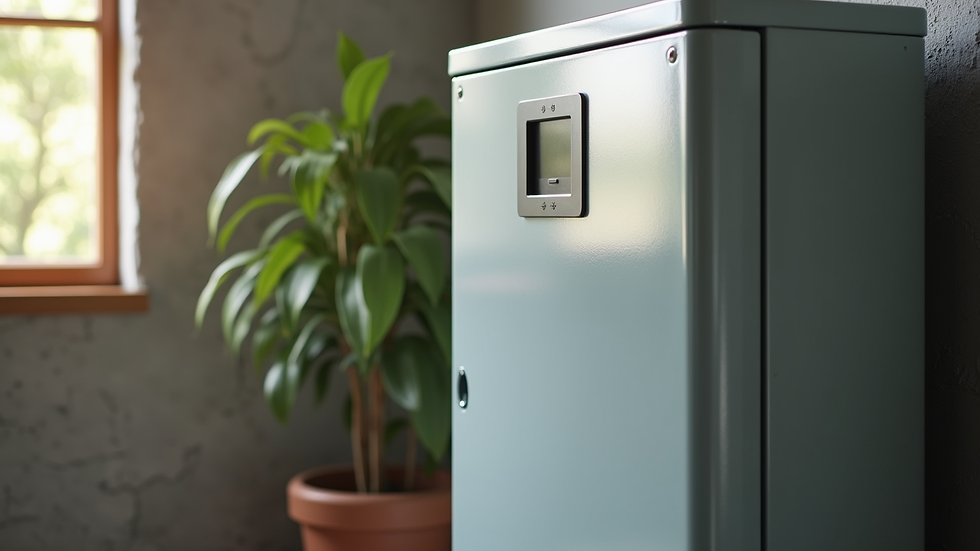
Battery Bank: Stores energy for use when solar generation is not possible.
Inverter: Converts DC electricity from batteries into alternating current (AC) for household appliances.

What is the cost of 3kw off-grid solar system?
A 3kW off-grid solar system is a common choice for small to medium-sized homes. It can power essential appliances such as lights, fans, a refrigerator, and a few electronic devices. The cost depends on the quality of components, battery type, and installation charges.
Cost Breakdown
Solar Panels: ₹60,000 to ₹90,000
Battery Bank: ₹40,000 to ₹70,000 (depending on battery type and capacity)
Inverter and Charge Controller: ₹20,000 to ₹35,000
Installation and Miscellaneous: ₹10,000 to ₹20,000
The total cost for a 3kW off-grid solar system typically ranges between ₹1,30,000 and ₹2,15,000. Prices vary based on brand, technology, and location. Lithium-ion batteries cost more upfront but offer longer life and better efficiency compared to lead-acid batteries.
Factors Affecting Cost
Battery Capacity: Larger battery banks increase cost but provide longer backup.
System Quality: Higher efficiency panels and inverters cost more but improve performance.
Installation Complexity: Roof type and wiring distance can affect labor charges.
Investing in a quality system ensures durability and reduces maintenance costs over time.
Benefits of Off-Grid Solar Systems for Indian Homes
Off-grid solar systems offer several advantages, especially in regions with frequent power outages or no grid access.
Energy Independence: Homes generate and store their own power, reducing reliance on the grid.
Cost Savings: Eliminates monthly electricity bills and reduces use of diesel generators.
Environmentally Friendly: Solar power is clean and renewable, reducing carbon footprint.
Reliable Power Supply: Batteries provide backup during night and cloudy days.
Scalability: Systems can be expanded by adding more panels or batteries as needed.
These benefits make off-grid solar systems a practical solution for many Indian households.
How to Choose the Right Off-Grid Solar System for Your Home
Selecting the right system requires assessing your energy needs and site conditions. Here are the steps I recommend:
Calculate Energy Consumption: List all appliances and their daily usage in watt-hours.
Determine System Size: Based on consumption, calculate the required solar panel capacity and battery storage.
Select Battery Type: Choose between lead-acid (affordable) and lithium-ion (long-lasting).
Check Roof Space: Ensure enough area for solar panel installation.
Consider Local Climate: Solar output varies with sunlight availability.
Get Professional Assessment: Consult with a solar expert for system design and installation.
Proper sizing avoids underperformance or overspending.
Maintenance and Longevity of Off-Grid Solar Systems
Maintaining an off-grid solar system is straightforward but essential for long-term performance.
Regular Cleaning: Keep solar panels free of dust and debris to maximize efficiency.
Battery Care: Check electrolyte levels in lead-acid batteries and avoid deep discharges.
System Monitoring: Use monitoring tools to track system health and energy production.
Professional Servicing: Schedule periodic inspections to identify and fix issues early.
With proper care, solar panels can last 25 years or more, and batteries typically last 5-10 years depending on type.
Expanding Solar Solutions in Maharashtra
Maharashtra has a growing demand for reliable solar power solutions across residential, commercial, and industrial sectors. Off-grid solar systems are particularly valuable in rural and semi-urban areas where grid infrastructure is weak.
Companies like Jain Renewable Power focus on delivering comprehensive solar solutions tailored to local needs. Their expertise ensures high-performance systems with long-term support, helping clients achieve energy independence and sustainability.
For homeowners considering solar, exploring an off grid solar system for home can be a smart investment. It offers a practical way to reduce electricity costs and secure power supply.
Planning Your Solar Energy Future
Switching to an off-grid solar system is a strategic decision. It requires upfront investment but delivers long-term benefits. By understanding system components, costs, and maintenance, you can make informed choices that suit your home’s energy needs.
Solar energy is a key part of India’s sustainable future. Residential solar systems empower homeowners to take control of their energy and contribute to a cleaner environment. With the right planning and support, off-grid solar systems can transform how Indian homes access electricity.
This post provides a clear overview of off-grid solar systems for residential use, focusing on practical information and cost insights. For those in Maharashtra looking to adopt solar energy, professional guidance and quality components are essential for success.


Comments